Questions for Beta Readers That Produce Useful Notes
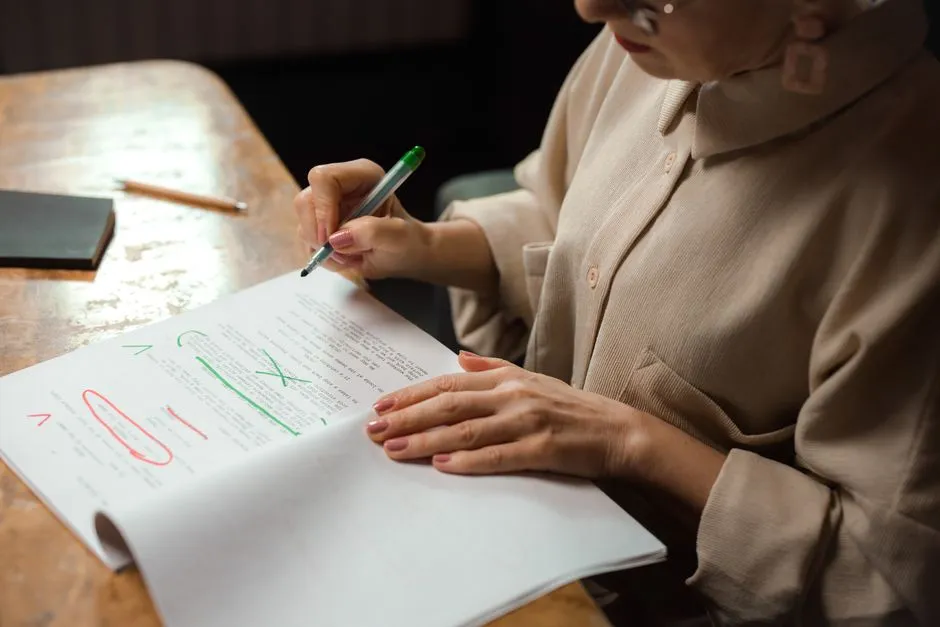
Ask beta readers about their experience, not your worth
Beta readers read a reasonably complete manuscript and report how the story worked for them. Useful questions focus on confusion, attention, expectation, character response, pacing, and payoff. “Was it good?” invites politeness or weather. “Where did you first become unsure what Mara wanted?” gives the reader somewhere to stand.
Ask after an uninterrupted read, then discuss details.
Begin with unaided reactions
Before showing a long questionnaire, ask what stayed with the reader, where attention rose or fell, and what they expected at key points. Their unprompted memories reveal emphasis.
Do not explain what they were supposed to understand. The gap between intention and response is the information you came to collect.
Ask where attention changed
Try questions such as: Where were you most eager to continue? Where did you slow down? Did any section feel repetitive? Which scene could you remove without loss? Avoid demanding a chapter number if the reader did not record one; an approximate location still helps.
Use the answers alongside the developmental-editing comparison to decide whether the pattern points to a structural issue, a sentence-level issue, or a preference.
Test character logic
Ask what the protagonist wanted, when that goal became clear, and which decision felt least believable. Ask how an important relationship changed and what the reader thought each person feared.
The novel-midpoint guide helps test whether an unbelievable choice reflects missing pressure or an unchanged central conflict.
Check information and expectation
Ask where the reader felt confused, what they believed was intentionally mysterious, and when they predicted major developments. Confusion and curiosity are different experiences.
Do not ask whether a twist was “too obvious” without context. A reader may predict an event and still enjoy watching characters collide with it.
Ask about the ending
Which questions did the ending answer? Which emotional or plot promises remained open? What changed for the protagonist? Did the final consequence follow from earlier choices?
Specific questions reveal whether dissatisfaction comes from missing setup, unclear causality, mismatched tone, or simple preference.
Choose readers deliberately
Select readers who can finish the manuscript, communicate respectfully, and understand the task. Some familiarity with the intended genre can help with expectations; an outside reader may expose assumptions insiders miss. Tell them the deadline, format, confidentiality expectation, and type of feedback needed.
Beta reading is labor. Ask rather than conscript, and accept a refusal without pressure or repeated requests.
Interpret notes as evidence
Readers are authoritative about their own experience, not automatically about the best fix. One may suggest deleting a character because the motivation is unclear; the better repair could be earlier setup.
Look for patterns, then use first-draft revision to test solutions. Preserve unusual reactions that reveal a real risk, but do not turn the manuscript into a committee document.
Close the loop cleanly
Thank readers, ask brief follow-ups, and avoid debating every note. You may explain a question after collecting the reaction, but persuasion cannot retroactively change the reading experience.
Good beta questions make feedback more precise without steering readers toward the answer you hope to hear. Record the experience first, then decide what revision best serves the book.