Write an Author Bio Without Publishing Credits
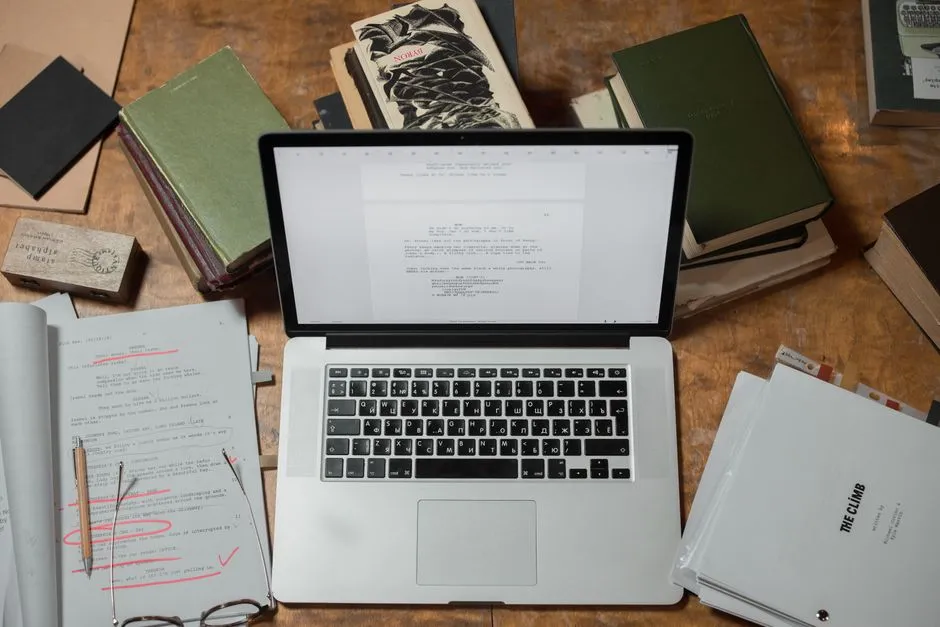
An author bio without credits can simply be accurate
You do not need to apologize for lacking publication credits, disguise a hobby as an international movement, or report the short story prize you awarded yourself in the kitchen. A first-time author bio should provide the information relevant to the submission, event, or book and then stop. Brevity looks professional when there is nothing useful to add.
Write for the context, not for an imaginary awards ceremony.
Check what the bio is for
A query bio, conference bio, website bio, and book-jacket bio serve different audiences. The recipient may specify length, point of view, or required details. Follow those instructions.
For a query, the story pitch carries most of the weight. The query structure guide shows where a compact bio fits.
Lead with relevant facts
Mention expertise, lived experience, professional knowledge, community work, or sustained study when it genuinely relates to the book. For nonfiction, platform and qualifications may be important. For fiction, relevance depends on the project and recipient.
Do not imply credentials, identities, or access you do not possess. Every public claim should be supportable.
Use a simple no-credit version
If no professional detail matters, state where you live at an appropriate level, what kind of work you write, or one specific personal detail that suits the context. You may also omit the bio beyond a courteous closing when guidelines allow.
“This is my first novel” is factual. “Though tragically undiscovered by the industry” asks the reader to carry unnecessary luggage.
Distinguish personality from randomness
A small detail can make a public bio memorable: a relevant craft, unusual research interest, or recognizable everyday habit. Choose one that supports the desired tone. Before publishing it, ask whether the detail reveals your home address, daily routine, employer information, family information, or another fact that could make unwanted contact easier.
Avoid inflated claims
Do not call yourself bestselling, award-winning, expert, or widely published unless the description is accurate, material, and supportable. Treat unsolicited offers of paid inclusion, awards that require purchase, and vague finalist notices as reasons to investigate the organizer before paying or sharing personal information. SFWA's Writer Beware overview identifies fake contests and predatory paid publishing schemes among the deceptions aimed at writers. Do not present a paid or vague distinction as a credential you cannot verify.
Maintain several lengths
Create a one-sentence bio, a short paragraph, and a longer website version. Keep a source file with approved facts and update credits as they become current. This gives you an appropriately sized version for each request.
Make sure public versions use names, pronouns, and links consistently.
Connect bio and publishing route
Traditional submissions may request credentials relevant to positioning; self-published authors may need retailer, media, website, and event versions. The publishing-path comparison helps identify which professional materials your route requires.
The synopsis and sample pages still describe the project more fully than the bio ever should.
Run the truth-and-purpose test
Underline every claim. Can you verify it? Does it help this reader understand the author or project? Is it safe to make public? Remove any claim you cannot verify. Then remove details that do not help this reader or are not safe to publish.
A short bio with no credits is not an empty bio. It is a clean introduction that leaves room for the writing to do the persuasive work.