Standard Manuscript Format Without Template Theater
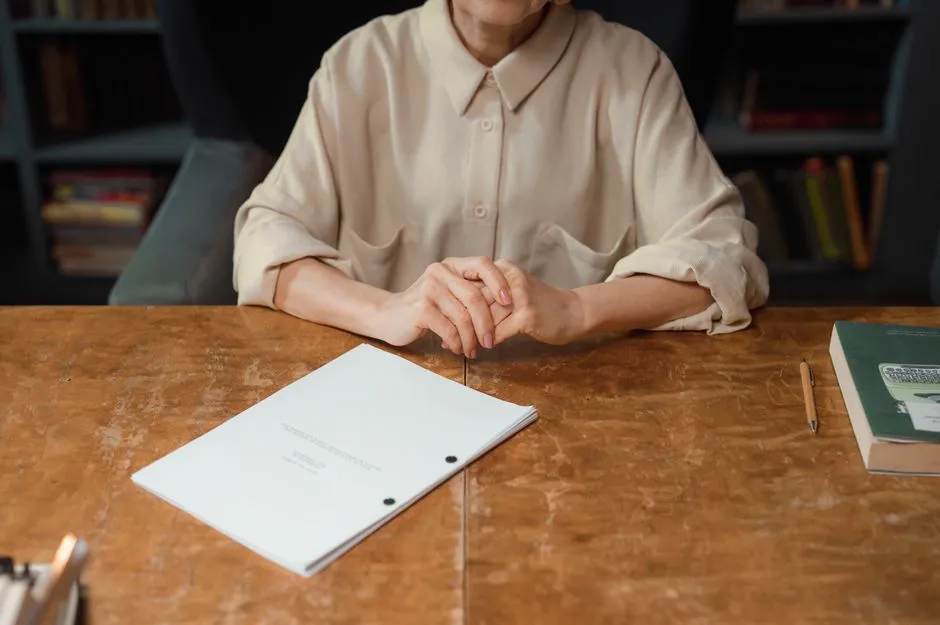
Standard manuscript format is clean submission packaging
Manuscript format helps an agent, editor, judge, or reader review text without fighting decorative layout. It is not the design of the final printed book. Recipient guidelines always outrank general convention, so check the current official instructions before sending. When instructions are silent, use a readable, consistent document that makes navigation and annotation easy.
The formatting should look consistent, readable, and restrained.
Start with the requested file type
Send only accepted formats and name the file clearly. Preserve an editable master and a backup. Before submission, open the exact attachment to confirm it is the correct version and that no comments, tracked changes, or private notes remain.
Use a stable filename and version record so the submitted attachment can be identified later.
Use readable page settings
A conventional manuscript uses a legible standard font, comfortable size, double spacing, ordinary margins, and dark text on a plain background. Exact preferences vary. Do not shrink text to meet a page count unless explicitly instructed.
Use paragraph settings rather than repeated spaces or tabs to create consistent indents and spacing.
Build useful page information
Include contact and project information where requested. Add page numbers and a simple header if guidelines call for them. Keep headers away from the main text and verify that section breaks do not restart numbering accidentally.
Anonymous contests may prohibit identifying details, so their specific rules control. Before paying or submitting, verify the sponsor, eligibility, judging, prize, rights language, and refund or withdrawal terms. SFWA's Writer Beware contest guide advises reading the fine print and investigating unclear sponsors, paid extras, and rights grants.
Format chapters consistently
Begin chapters in a consistent manner, use clear chapter labels, and mark scene breaks with a centered symbol or another visible, repeatable marker that survives file conversion. Do not rely only on a blank line, which can disappear at a page boundary.
Keep heading styles and paragraph indents consistent across the manuscript.
Avoid final-book design
Submission pages generally do not need drop caps, ornamental fonts, fully justified text, running book titles, decorative chapter art, or print-ready trim dimensions. In a publishing deal, confirm the agreement's production and approval terms rather than assuming who controls those choices.
If the text still needs structural or sentence-level work, the editing comparison helps identify which layer should happen before submission.
Handle italics and special text clearly
Use straightforward emphasis and follow the recipient's stated preferences. If the manuscript includes unusual typography, tables, images, or nonstandard characters, ask how to submit them or provide a brief note when permitted.
Do not invent a complicated workaround that may break on another computer. The cleverest layout trick is often a stable file.
Prepare companion materials separately
A query letter and novel synopsis serve different purposes and may have different length or formatting requirements. Label each file clearly and send only what was requested.
Check title, author name, word count, and character names for agreement across the package.
Run a preflight check
Turn on formatting marks and scan for extra spaces, manual line breaks, accidental blank pages, inconsistent indents, and stranded headings. Search for comments and revision marks. Export or save, reopen the final file, and inspect the beginning, several middle pages, and ending.
Standard manuscript format should support reading and navigation without calling attention away from the work.